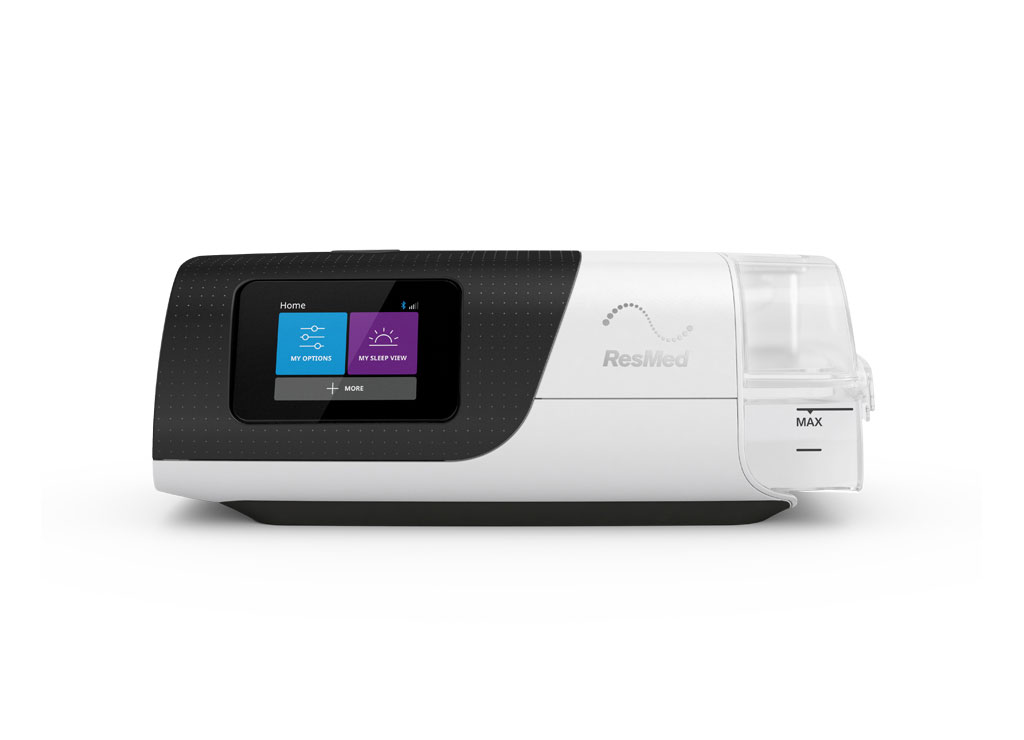
CPAP Machine Cost Without Insurance: 2026 Prices & Options
Updated: 22 hours ago
Updated November 2026
If you've just been told you need a CPAP machine, one of the first questions is simple: what will it cost if I don't go through insurance? Here's the short answer. A new CPAP machine typically runs around $1,000. Bilevel (BiPAP) machines run around $1,600. On top of that, you'll need a mask and replacement supplies throughout the year.
Plenty of our Houston neighbors choose to pay out of pocket. Some have a high-deductible plan they won't meet this year. Some don't want to wait weeks on approvals and paperwork. Others want a specific machine, or a second machine for travel. This guide walks through real prices, what supplies add each year, and when paying out of pocket actually beats going through insurance (and when it doesn't).
Key takeaways
New CPAP machines usually cost around $1,000. Auto-BiPAP runs around $1,600
Masks, cushions, tubing and filters add roughly a few hundred dollars a year.
Insurance often means a monthly rental with usage checks before you own the machine. Paying out of pocket means you own it the day you buy it.
HSA/FSA funds can generally be used, and we offer 0% financing on purchases of $200 or more.
How much does a CPAP machine cost? (2026 price table)
Prices depend mostly on the type of machine and its features, such as auto-adjusting pressure, a built-in heated humidifier, and app connectivity. Here's what each type typically costs in the U.S. Stop by either of our stores or give us a call for current in-store pricing.
Machine type | Typical U.S. price range | Popular example we carry |
Auto-CPAP (APAP) | $1,000 | ResMed AirSense 10, ResMed AirSense 11 |
Travel CPAP | $900-$1,300 | |
Bilevel (BiPAP) | $1,600+ | ResMed AirCurve 11 |
National ranges: Sleep Foundation.
What's in the box? Machines like the AirSense 10 and 11 come with an integrated humidifier, a power supply and cord, and a carrying case. The mask and tubing are sold separately, so budget for those when comparing prices.
The ongoing cost: masks and supplies

The machine is a one-time purchase, but the parts that touch your face and carry air wear out. Replacing them on schedule keeps your seal tight and your therapy comfortable. Here's a typical replacement schedule and what each item usually costs.
Item | Typical replacement | Typical cost |
Mask frame | Every 3–6 months | $80–$200 |
Mask cushion or nasal pillows | Every 2–4 weeks | $30–$60 |
Headgear | About every 6 months | $20–$40 |
Tubing | Every 3–12 months | $20–$60 |
Filters | Every 2–4 weeks (disposable) or 6 months (reusable) | $5–$20 |
Humidifier water chamber | About every 6 months | $20–$40 |
Typical costs: Sleep Foundation. Replacement timing varies by manufacturer and by how you use your equipment.
Depending on your mask and how often you replace parts, most people spend somewhere in the range of a couple hundred dollars a year or more on supplies. We also carry cost-effective masks, like the Inogen Aurora line, that cost less than premium masks and work well for most people.
One tip that saves money: skip the ozone and UV "CPAP sanitizer" gadgets. The FDA cautions that these devices aren't cleared for that use and can damage your equipment. Warm water and mild, fragrance-free soap do the job.
Paying out of pocket vs. going through insurance: the real math
Going through insurance isn't always cheaper, and paying out of pocket isn't always cheaper either. It depends on your plan. Here's how insurance usually works for CPAP:
You'll typically need a sleep study and a diagnosis on file, and many plans require prior authorization.
Many plans, and Medicare, treat CPAP as a rental. You pay your share each month, and you own the machine after a set period, often around 10–13 months. Medicare, for example, covers a 3-month trial and continues coverage if the therapy is helping. You own the machine after 13 months of continuous rental, and you pay 20% of the Medicare-approved amount after the Part B deductible ($283 in 2026) (Medicare.gov).
Many plans also require proof that you're using the machine regularly. If you don't meet their usage rules, coverage can stop (AASM Sleep Education).
Here's an illustrative example. The insurance numbers below are made up to show how the math works. Your plan's actual amounts will be different, so call your insurer for real figures.
Going through a high-deductible plan | Paying out of pocket in store | |
Machine | Monthly rental for ~13 months. If your deductible isn't met, you pay the full allowed amount each month. | One payment, and the machine is yours |
Example: $3,000 deductible, not met this year | You pay 100% of the allowed rental until the deductible is met, then your coinsurance | Same one-time price |
Paperwork & wait | Sleep study records, prior authorization, usage checks | Walk out the same day |
Who owns it | You, after the rental period (if usage rules are met) | You, from day one |
When paying out of pocket usually wins: you have a high deductible you won't meet this year, you want a specific machine, you need a backup or travel machine, or you can't wait weeks to start therapy.
When insurance usually wins: you've already met your deductible, or your plan covers durable medical equipment at a low copay. In that case going through insurance may cost you less, and that's worth checking before you buy.
Ways to lower the cost without insurance
Use your HSA or FSA. CPAP machines and supplies are generally eligible medical expenses, so you can pay with pre-tax dollars (IRS Publication 502). Keep your itemized receipt.
Rent first, then decide. We rent CPAP machines (an AirSense 10 or AirSense 11, depending on availability) with the humidifier, power supply and carrying case. For hygiene reasons, the mask and tubing aren't included, but anything you buy is yours to keep. Call either store for current rental rates.
0% financing. Get pre-approved for 0% interest financing through CareCredit on purchases of $200 or more. If it's paid in full within your 6- or 12-month period, you pay no interest.
Choose a value mask. Cost-effective masks like the Inogen Aurora line cover most people's needs for less than premium brands.
Be careful with "used" machines. If you buy refurbished, buy only from a reputable seller that inspects and warranties the device. Avoid marketplace listings, where you can't verify how a machine was cleaned or handled.
Can I get reimbursed later?
Sometimes. Some insurance plans will consider an out-of-network claim if you submit an itemized receipt after you buy. Whether you get money back, and how much, depends entirely on your plan. Call the number on your insurance card before you count on it. That's why we tell callers the same thing every day: buy what you need now, then keep your itemized receipt to submit to your insurance. We'll make sure your receipt has the details insurers usually ask for.
Buying CPAP in Houston: what to expect in store

Buying in person is different from clicking "add to cart." When you visit our Heights or Cypress store, our team will:
Help you try on masks so you leave with one that seals and feels comfortable
Walk you through setting up the machine and humidifier
Show you how to clean and care for your equipment
Be here afterward for mask fit questions and basic troubleshooting
Most people walk out with their machine the same day. Browse our CPAP machines and supplies in Houston, or check out the ResMed AirFit P30i if you prefer a minimal pillow mask. Comparing machines? Read our guide to the AirSense 10 vs AirSense 11. Just getting started? Avoid these common CPAP mistakes.
Frequently asked questions
Is it cheaper to buy a CPAP without insurance?
It can be, especially if you have a high deductible you won't meet this year. If you've already met your deductible or your plan covers DME well, insurance may cost less. Compare your plan's numbers against the out-of-pocket price before you decide.
How much is a CPAP mask without insurance?
Most mask frames cost roughly $80 to $200 depending on the style, and replacement cushions usually run $30 to $60. Value masks cost less than premium brands.
Can I use my HSA for a CPAP?
Generally, yes. CPAP machines and supplies are typically eligible HSA and FSA expenses. Keep your itemized receipt, and check with your plan administrator if you're unsure.
How long does a CPAP machine last?
With good care, many machines last around five years. Masks, cushions, tubing and filters need replacing much more often.
What's included in a CPAP rental?
Our rentals include the machine (AirSense 10 or 11), the integrated humidifier, the power supply and cord, and a carrying case. Masks and tubing aren't included for hygiene reasons, but they're available in store and yours to keep.
Ready to start your CPAP therapy?
You don't have to wait on paperwork to start sleeping better. Visit our Heights or Cypress store, and we'll fit your mask and set up your machine the same day.
Heights: 1732 W. 18th Street, Houston, TX 77008
Cypress: 22224 Northwest Fwy, Suite C, Cypress, TX 77429
Hours: Monday–Friday 9am–6pm, Saturday 10am–5pm
This article is for general information and isn't medical or insurance advice. Talk with your doctor about your treatment and with your insurer about your coverage.


